
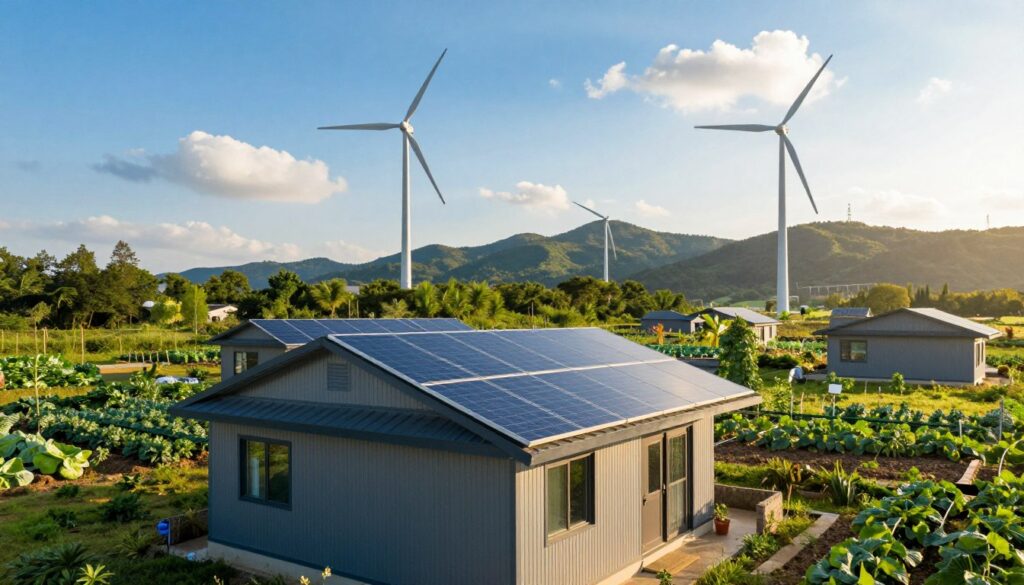
Embracing a lifestyle that is independent of the grid can be incredibly liberating. By harnessing renewable energy, individuals can power their homes and thrive sustainably.
The concept of solar off-grid living involves generating energy independently, reducing reliance on public utilities. This approach not only benefits the environment but also provides a sense of self-sufficiency and freedom.
As the world shifts towards sustainable living, adopting an off-grid lifestyle can be a significant step. It allows individuals to reduce their carbon footprint while enjoying the benefits of modern living.
Key Takeaways
- Embracing renewable energy sources for a sustainable lifestyle.
- Understanding the benefits of independent energy generation.
- Reducing reliance on public utilities for self-sufficiency.
- Adopting an off-grid lifestyle for environmental benefits.
- Thriving sustainably with modern conveniences.
Understanding Solar Off Grid Living
Embracing solar off-grid living means adopting a self-sufficient lifestyle that relies on renewable energy sources, such as solar power. This approach to living is not just about generating energy; it’s a philosophy that encompasses a broader commitment to sustainability and independence.
The Definition and Philosophy
Solar off-grid living is defined by its independence from public utilities. Individuals or families who choose this lifestyle generate their own energy, typically using solar panels, and manage their own resources. The philosophy behind this lifestyle is rooted in a desire for self-sufficiency, environmental stewardship, and a reduced reliance on fossil fuels.
How It Differs from On-Grid Living
On-grid living relies on public utilities for energy, water, and other essential services. In contrast, off-grid living requires individuals to be responsible for their own energy production, water collection, and waste management. This fundamental difference shapes the daily lives of those who choose to live off the grid, often leading to a more mindful and sustainable lifestyle.
Who Chooses This Lifestyle
People from various backgrounds choose solar off-grid living for different reasons. Some are motivated by environmental concerns, seeking to reduce their carbon footprint. Others are drawn to the independence and self-sufficiency that off-grid living offers. There’s also a growing interest in off-grid living as a means to achieve financial savings by reducing reliance on public utilities.
Overall, solar off-grid living represents a significant lifestyle choice that combines energy independence with a commitment to sustainability. As the world becomes increasingly aware of environmental issues, this lifestyle is likely to continue growing in popularity.
The Benefits of Embracing Solar Off Grid Living
Embracing solar off-grid living offers numerous benefits that can transform your life and the environment. By harnessing solar energy and disconnecting from the grid, individuals can experience a range of advantages that impact their daily lives and the planet positively.
Environmental Advantages
Solar off-grid living significantly reduces your carbon footprint. By relying on renewable solar energy, you decrease your dependence on fossil fuels, contributing to a cleaner environment. This lifestyle choice supports global efforts to combat climate change.
Financial Independence
Going off-grid with solar energy can lead to substantial financial savings. Although the initial investment may be significant, the long-term benefits include reduced or eliminated utility bills. This financial independence can be a game-changer for many individuals.
Self-Sufficiency and Resilience
Solar off-grid living promotes self-sufficiency by enabling individuals to generate their own energy. This independence from public utilities enhances resilience during power outages and natural disasters, ensuring a continuous supply of energy.
Freedom from Utility Disruptions
One of the significant benefits of solar off-grid living is the freedom from utility disruptions. With a self-sustaining energy system, individuals are less affected by grid failures, maintenance, and other disruptions that can impact daily life.
| Benefits | Description | Impact |
|---|---|---|
| Environmental Advantages | Reduced carbon footprint through renewable energy | Positive environmental impact |
| Financial Independence | Reduced or eliminated utility bills | Financial savings |
| Self-Sufficiency and Resilience | Generation of own energy, enhanced resilience | Increased energy independence |
Essential Components of a Solar Off-Grid System
To thrive in a solar off-grid lifestyle, it’s crucial to understand the key components of your energy system. A well-designed solar off-grid system is the backbone of energy independence, providing reliable and sustainable power.
Solar Panels and Array Sizing
Solar panels are the heart of any solar off-grid system, converting sunlight into electrical energy. The size of the solar array depends on your energy needs, available sunlight, and the efficiency of the panels. Proper sizing is critical to ensure you have enough power during periods of low sunlight.
“The future of energy is clearly moving towards renewable sources, and solar power is at the forefront of this revolution,” as noted by energy experts. A typical residential solar panel system can range from 5 to 10 kilowatts, but the exact size depends on your specific energy requirements.
Battery Storage Options
Battery storage is essential for storing excess energy generated during the day for use at night or during cloudy periods. Deep cycle batteries are commonly used in off-grid systems due to their ability to discharge deeply and recharge repeatedly.
The choice of battery technology can significantly impact the overall performance and cost of your solar off-grid system. Popular options include lead-acid, lithium-ion, and saltwater batteries, each with its advantages and disadvantages.
Inverters and Charge Controllers
Inverters convert the DC power stored in batteries into AC power usable by household appliances. Charge controllers regulate the flow of energy from the solar panels to the batteries, preventing overcharging and ensuring efficient energy storage.
Efficient inverters and charge controllers are vital for maximizing the performance of your solar off-grid system. They help in optimizing energy production and reducing losses.
Backup Power Solutions
Backup power solutions are crucial for ensuring a continuous energy supply during extended periods of low sunlight or system maintenance. Two common backup options are generators and micro wind turbines.
Generators
Generators provide a reliable backup power source, especially during prolonged cloudy periods. They can be fueled by diesel, gasoline, or propane, offering flexibility based on availability and cost.
Micro Wind Turbines
Micro wind turbines offer another backup power solution, generating electricity from wind energy. They can be used in conjunction with solar panels to provide a hybrid energy system, enhancing overall energy reliability.
In conclusion, understanding and selecting the right components for your solar off-grid system is key to achieving energy independence and sustainability. By carefully considering your energy needs and available resources, you can design a system that meets your requirements and provides long-term benefits.
Planning Your Off-Grid Solar Setup
Planning your off-grid solar setup is a critical step towards achieving energy independence and sustainability. It involves several key considerations to ensure your system is efficient, reliable, and tailored to your energy needs.
Assessing Your Energy Needs
Assessing your energy needs is crucial for determining the size of your solar off-grid system. This involves calculating your daily energy consumption, taking into account the power requirements of all appliances and devices you plan to use. Energy audits can help identify areas of inefficiency and opportunities for reduction.
Site Selection and Solar Exposure
The location of your solar array is critical for maximizing energy production. Site selection should consider factors such as sunlight exposure, shading from trees or buildings, and local climate conditions. Ideally, your solar panels should face south (in the northern hemisphere) and be tilted at an angle that optimizes energy capture.
Seasonal Considerations
Seasonal variations in sunlight can significantly impact your solar energy production. Planning for these variations may involve adjusting the tilt of your solar panels seasonally or oversizing your system to meet demand during periods of lower sunlight.
Scalability and Future Expansion
It’s essential to plan for scalability when designing your off-grid solar system. This means considering potential future increases in energy demand and ensuring your system can be expanded accordingly. Modular designs can facilitate easier upgrades.
By carefully planning your off-grid solar setup, you can create a reliable, efficient, and sustainable energy system that meets your needs and supports your lifestyle.
The Real Costs of Solar Off Grid Living
Understanding the true costs of solar off-grid living is crucial for making an informed decision. While the initial investment in a solar off-grid system can be significant, it offers long-term savings.
Initial Investment Breakdown
The initial cost of setting up a solar off-grid system includes several components. Solar panels are the most visible part, with prices varying based on quality and efficiency. Battery storage is another critical component, allowing you to store excess energy generated during the day for use at night or during periods of low sunlight.
Other costs include inverters and charge controllers, which are essential for converting DC power to AC and managing the flow of energy. The cost of installation, including labor and permits, also adds to the initial investment.
Long-Term Savings
Despite the high initial costs, solar off-grid living offers substantial long-term savings. By generating your own energy, you can significantly reduce or eliminate your monthly utility bills. According to the U.S. Department of Energy, homeowners can save between $400 and $1,000 per year on energy costs.
“The money saved on energy costs can be substantial over the lifetime of the solar panel system, often outweighing the initial investment.”
Maintenance and Replacement Costs
While solar off-grid systems are generally low maintenance, there are costs associated with upkeep. Regular cleaning and inspection of solar panels are necessary to ensure optimal performance. Battery replacement is another consideration, as batteries typically need to be replaced every 5 to 15 years, depending on the type and usage.
Available Tax Incentives and Rebates
To offset the initial costs, various tax incentives and rebates are available for solar off-grid systems. The Solar Investment Tax Credit (ITC) allows homeowners to deduct a significant percentage of the installation costs from their federal taxes. Additionally, many states and local governments offer rebates and other incentives.
As noted by a recent report, “Homeowners who take advantage of these incentives can significantly reduce the upfront costs of going off-grid.”
Building an Energy-Efficient Off-Grid Home
Building an off-grid home that’s energy-efficient isn’t just about saving energy; it’s about creating a sustainable lifestyle. This approach not only reduces your reliance on external energy sources but also minimizes your environmental footprint.
Passive Solar Design Principles
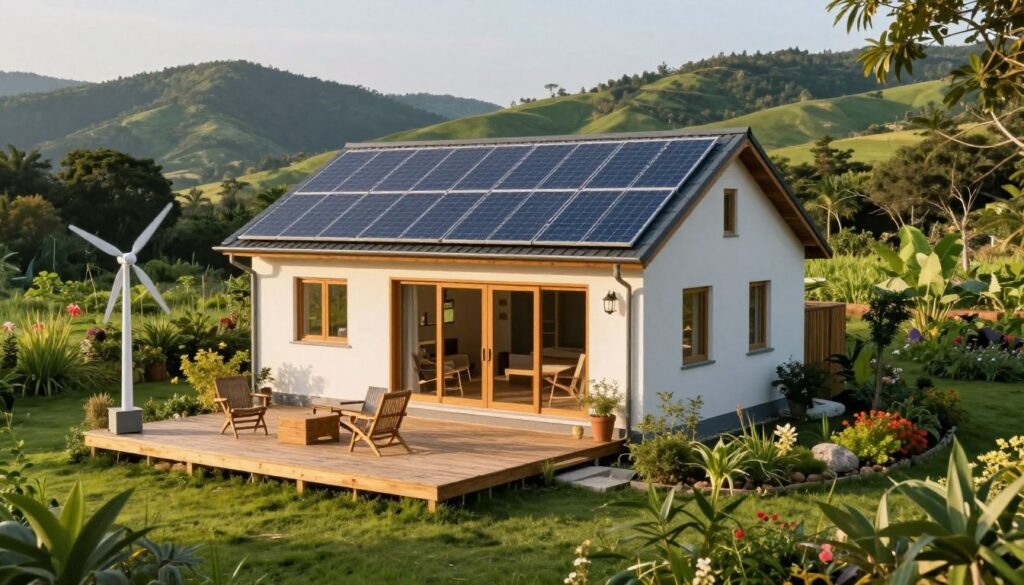
Incorporating passive solar design principles can significantly enhance the energy efficiency of your off-grid home. This involves strategically placing windows, using thermal mass, and orienting your home to maximize natural heating and cooling. By doing so, you can reduce the need for mechanical heating and cooling systems.
Insulation and Thermal Mass
Proper insulation is crucial for maintaining a consistent indoor temperature, reducing heat loss in the winter and heat gain in the summer. Thermal mass materials like concrete or brick can absorb and release heat, further stabilizing your home’s temperature.
Energy-Efficient Appliances
Choosing energy-efficient appliances is another critical step. Look for appliances with high Energy Star ratings, as they consume less energy while providing the same level of performance. This not only saves energy but also reduces the strain on your off-grid energy system.
Smart Energy Management Systems
Implementing a smart energy management system allows you to monitor and control your energy usage effectively. These systems provide real-time data on your energy consumption, helping you identify areas where you can make adjustments to save even more energy.
By combining these strategies, you can create an off-grid home that is not only energy-efficient but also comfortable and sustainable. This holistic approach to energy efficiency is key to thriving in an off-grid lifestyle.
Water and Food Systems for Complete Self-Sufficiency
Complete self-sufficiency in off-grid living involves more than just energy independence; it also requires robust water and food systems. To achieve this, individuals must implement effective strategies for managing their water and food needs.
Rainwater Collection and Filtration
Implementing rainwater collection systems is a vital step towards water self-sufficiency. By harvesting rainwater, off-grid residents can reduce their reliance on external water sources. Effective filtration systems are also crucial to ensure the collected rainwater is safe for consumption.
According to the American Rainwater Catchment Systems Association, proper design and maintenance of rainwater collection systems can significantly enhance water security for off-grid homes.
Solar-Powered Pumping Systems
Solar-powered pumping systems offer an efficient and sustainable solution for water management. These systems can be used to pump water from wells, springs, or stored rainwater, providing a reliable source of water without the need for grid electricity.
Growing Food Off the Grid
Growing your own food is a key aspect of off-grid self-sufficiency. Techniques such as permaculture and regenerative agriculture can help create sustainable and productive food systems. By adopting these methods, off-grid residents can enjoy a diverse and nutritious food supply.
“The way we grow our food is as important as the food we grow.” –
Food Preservation Without Constant Electricity
Preserving food without relying on constant electricity is a challenge off-grid residents face. Techniques such as canning, dehydrating, and root cellaring offer effective solutions. These methods allow individuals to enjoy their homegrown produce year-round, without the need for refrigeration.
| Food Preservation Method | Description | Energy Requirement |
|---|---|---|
| Canning | Sealing food in airtight containers | Low (initial energy for processing) |
| Dehydrating | Removing moisture from food | Low (solar dehydrators available) |
| Root Cellaring | Storing food in cool, humid environments | None |
By integrating rainwater collection, solar-powered pumping, and effective food production and preservation strategies, off-grid residents can achieve a high level of self-sufficiency. This holistic approach not only enhances personal sustainability but also contributes to a more resilient food and water system.
Real-Life Success Stories in Solar Off Grid Living
Many have taken the path to solar off-grid living, discovering a world of self-sufficiency and sustainability. These individuals and families have not only reduced their carbon footprint but have also achieved a level of independence from the grid.
Desert Homesteaders
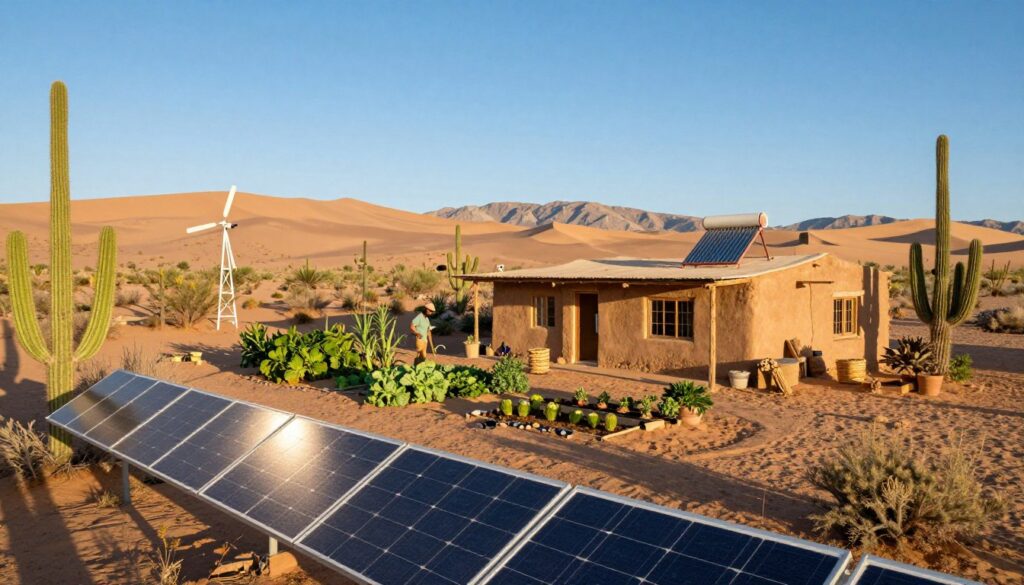
Desert homesteaders have been among the pioneers in adopting solar off-grid living. With abundant sunlight, they have been able to harness energy efficiently, powering their homes and farms. For instance, the Bowers family in Arizona has been living off-grid for over a decade, relying on solar power for their energy needs.
Mountain Retreat Living
In the mountains, solar off-grid living offers a serene and sustainable lifestyle. The Smiths, living in the Colorado mountains, have successfully transitioned to off-grid living, enjoying the tranquility and beauty of nature while being energy-independent.
Suburban Off-Grid Transitions
Not just remote areas are embracing solar off-grid living; suburban homes are also making the transition. Families in suburban areas are finding that going off-grid not only reduces their utility bills but also increases their energy security. The Patel family in California is a prime example, having installed a comprehensive solar off-grid system that powers their home and electric vehicle.
Lessons Learned from Long-Term Off-Gridders
Long-term off-gridders have valuable insights to share. Key lessons include the importance of energy efficiency, the need for regular maintenance of solar equipment, and the benefits of community building among off-grid enthusiasts. These lessons highlight the multifaceted nature of solar off-grid living, beyond just energy production.
These success stories illustrate the diverse and rewarding experiences of those who have chosen solar off-grid living. As the world moves towards more sustainable living practices, these pioneers serve as inspirations and guides for others embarking on a similar journey.
Conclusion: Is Solar Off-Grid Living Right for You?
Solar off-grid living offers a pathway to a more sustainable, self-sufficient lifestyle, but it’s essential to carefully consider your energy needs and resources. As you’ve seen, embracing this lifestyle can have numerous benefits, from reducing your environmental footprint to achieving financial independence.
Before making the transition, assess your energy requirements, available sunlight, and budget. Consider factors like your location, energy usage patterns, and the initial investment required for a solar off-grid system. By weighing these elements, you can determine if solar off-grid living is a sustainable lifestyle choice for you.
Ultimately, the decision to adopt solar off-grid living depends on your personal preferences, financial situation, and willingness to adapt to a more self-sufficient way of life. If you’re ready to take control of your energy needs and reduce your reliance on the grid, solar off-grid living may be the perfect fit.
FAQ
What is solar off-grid living?
Solar off-grid living refers to a lifestyle where individuals or families generate their own renewable energy, typically using solar power, and live independently of public utilities.
How does solar off-grid living differ from on-grid living?
On-grid living relies on public utilities for energy, whereas solar off-grid living generates energy independently, often using solar panels and battery storage.
What are the benefits of solar off-grid living?
The benefits include reduced environmental impact, potential financial savings, enhanced self-sufficiency, and protection against utility disruptions.
What are the essential components of a solar off-grid system?
Essential components include solar panels, battery storage solutions, inverters, charge controllers, and backup power options like generators and micro wind turbines.
How do I plan my off-grid solar setup?
Planning involves assessing energy needs, selecting a suitable site, considering seasonal variations, and planning for scalability.
What are the costs associated with solar off-grid living?
Costs include the initial investment, potential long-term savings, maintenance costs, and available incentives such as tax credits and rebates.
How can I build an energy-efficient off-grid home?
Strategies include using passive solar design, insulation, energy-efficient appliances, and smart energy management systems.
What systems are needed for complete self-sufficiency off the grid?
Systems include rainwater collection, solar-powered water pumping, growing food, and preserving it without relying on constant electricity.
Are there any real-life success stories in solar off-grid living?
Yes, many individuals and families have successfully adopted solar off-grid living, achieving independence and reducing their environmental footprint.
Is solar off-grid living right for me?
It depends on your lifestyle, needs, and preferences; consider factors like energy needs, budget, and personal goals before making a decision.
What are the most common challenges faced by off-grid residents?
Common challenges include managing energy storage, maintaining equipment, and adapting to seasonal variations in energy availability.
Can I still have modern amenities while living off-grid?
Yes, many off-grid homes incorporate modern amenities like energy-efficient appliances, internet connectivity, and comfortable living spaces.